You know that heavy feeling in your shoulders after a long day? Or how your jaw clenches without you even realizing it? That’s not just fatigue-it’s your body screaming for release. Body massage isn’t just a luxury; it’s a reset button for your nervous system, your muscles, and your mind. And in a world that never stops buzzing, it’s one of the most effective, natural tools we have to reclaim balance.
Key Takeaways
- Body massage reduces cortisol levels by up to 30% in just one session, according to research from the Touch Research Institute.
- Regular massage improves sleep quality, eases chronic pain, and boosts immune function-not just temporarily, but over time.
- You don’t need a fancy spa. Even 20 minutes of focused touch from a trained therapist can shift your whole week.
- There’s no one-size-fits-all massage. Swedish, deep tissue, Thai, and hot stone each serve different needs.
- Booking a massage in Auckland is easier than ever-with therapists offering home visits, office sessions, and even lunchtime resets.
What Is Body Massage, Really?
Body massage is the intentional application of pressure, movement, and touch to soft tissues-muscles, tendons, ligaments, and connective tissue. It’s not magic. It’s science. When your hands press into tight knots in your neck, you’re not just relaxing. You’re increasing blood flow, flushing out lactic acid, and signaling your brain to turn off the stress alarm.
Think of your body like a tangled headphone cord. You don’t yank it-you gently untangle it, one loop at a time. That’s what massage does. It doesn’t erase stress. It helps your body unlearn how to hold onto it.
Why Body Massage Ignites Wellness
Let’s get real. You’ve probably heard massage is ‘good for you.’ But what does that actually mean in your life?
After a six-month stretch of back-to-back deadlines, my friend Lena started getting weekly massages. She didn’t quit her job. She didn’t take up yoga. She just gave herself 60 minutes every Thursday. Within weeks, her migraines dropped from 4 a week to 1. Her sleep improved. She stopped reaching for caffeine after lunch. She said it felt like her body finally remembered how to relax.
Here’s what science backs up:
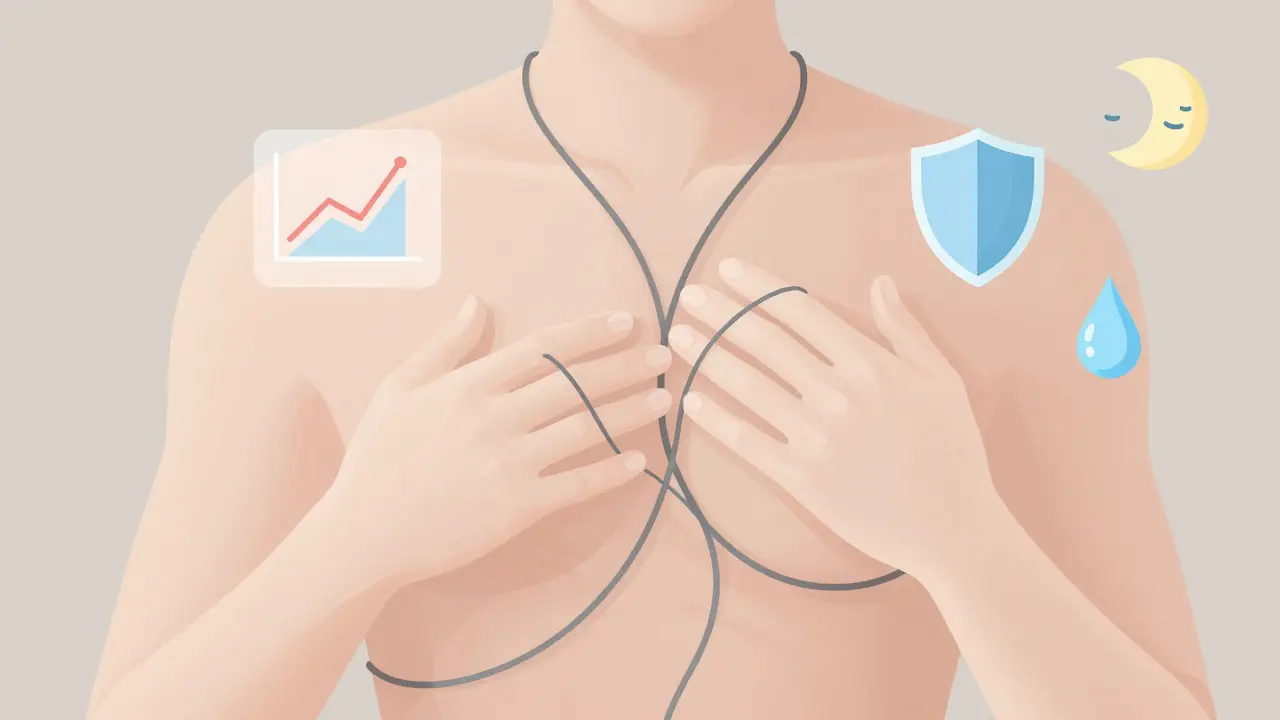
- Stress reduction: One study found cortisol (the stress hormone) dropped by 31% after a 60-minute massage. That’s like taking a vacation without leaving your town.
- Pain relief: Chronic lower back pain? A 2023 review in the Journal of Clinical Medicine showed massage was as effective as physical therapy for many patients.
- Immune boost: Massage increases white blood cell count-your body’s first line of defense. One session can elevate it for hours.
- Sleep quality: People who get regular massage fall asleep 30% faster and stay asleep longer.
It’s not about feeling good for an hour. It’s about rewiring how your body responds to daily pressure.
Types of Body Massage Available in Auckland
Not all massages are created equal. Here’s what’s actually out there-and who it’s best for.
- Swedish Massage: Gentle, flowing strokes. Perfect if you’re new to massage or just need to melt away tension. Think of it as a warm hug for your muscles.
- Deep Tissue: Slower, firmer pressure targeting deeper muscle layers. Ideal if you’ve got knots from sitting at a desk all day, or if you’re an athlete recovering from training.
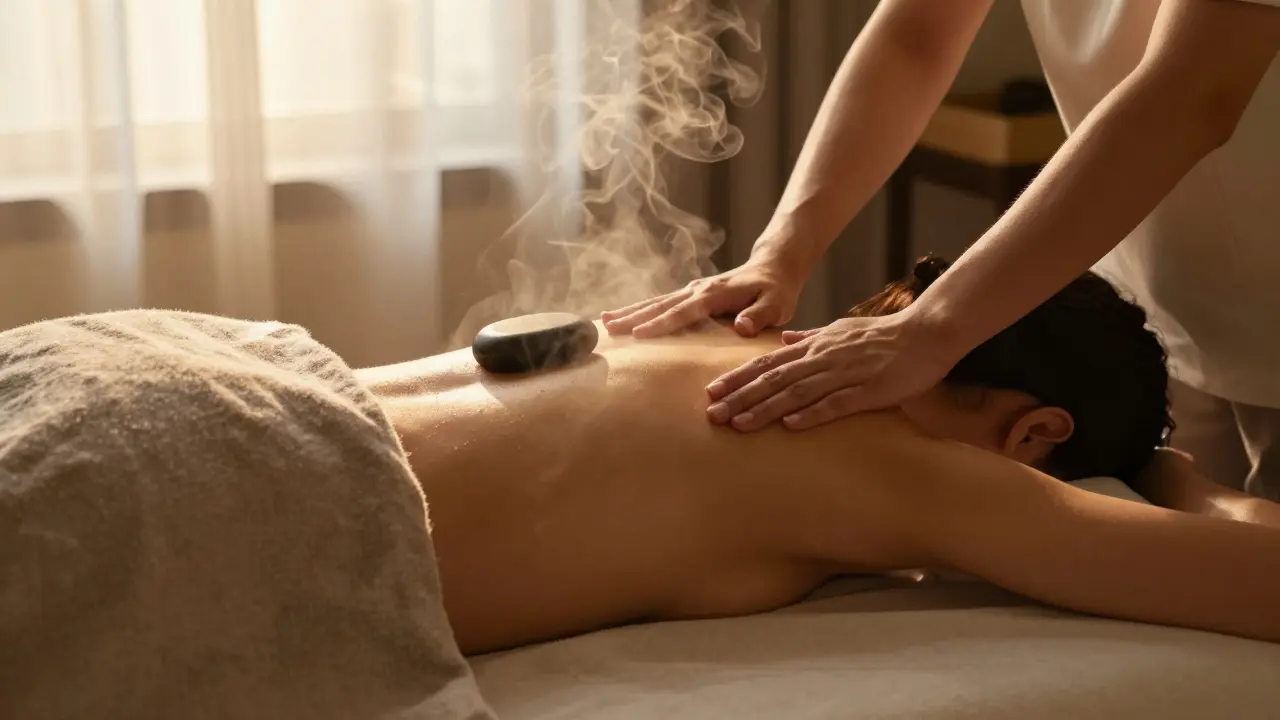
- Hot Stone: Smooth, heated stones placed along your spine and muscles. The heat loosens tightness before the therapist even touches you. Great for winter months or if you’re always cold.
- Thai Massage: You stay fully clothed. The therapist uses their hands, knees, and feet to guide you through stretches. It feels like yoga, but someone else is doing the work.
- Trigger Point Therapy: Focused on specific tight spots-like the ball of your shoulder or the base of your skull. If you’ve got a headache that won’t quit, this is your go-to.
In Auckland, most therapists specialize in one or two styles. Ask what they recommend based on your goals. No need to guess.
How to Find Body Massage Services in Auckland
You don’t need to hunt through 20 websites. Here’s the easiest way:
- Check Google Maps and filter for ‘body massage’ with 4.8+ ratings. Look for recent reviews mentioning pain relief or relaxation.
- Try Wellness directories like TherapyFinder.nz or Auckland Massage Collective-they vet therapists for hygiene and training.
- Ask at your local gym, yoga studio, or physio clinic. They often work with trusted massage providers.
- Look for mobile therapists. Many now offer in-home sessions. You save time. You save stress. You stay in your pajamas.
Pro tip: Book your first session mid-week. Therapists are less busy, so they’ll have more time to listen to your needs. Weekends? They’re packed.
What to Expect During a Body Massage Session
First time? Here’s what actually happens-no surprises.
You’ll arrive, fill out a quick form (medical history, areas of concern), then head to a quiet room with soft lighting. The therapist will leave while you undress to your comfort level-most people keep underwear on. You’ll lie on a warm table under a sheet.
The massage starts with light strokes to help you relax. Then comes the work. If you feel too much pressure, say so. Good therapists adjust on the spot. If you’re ticklish, tell them. They’ll use broader, less precise movements.
There’s no talking required. But if you want to chat? Go ahead. Some people talk through their day. Others fall asleep. Both are fine.
Afterward, you’ll get water. You might feel a little sore the next day-especially if it was deep tissue. That’s normal. You’ll also feel lighter. Like a weight you didn’t know you were carrying has been lifted.
Pricing and Booking
Here’s the real talk on cost:
- 60-minute session: $80-$120 (average in Auckland)
- 90-minute session: $120-$160
- Home visit: $100-$150 (includes travel fee)
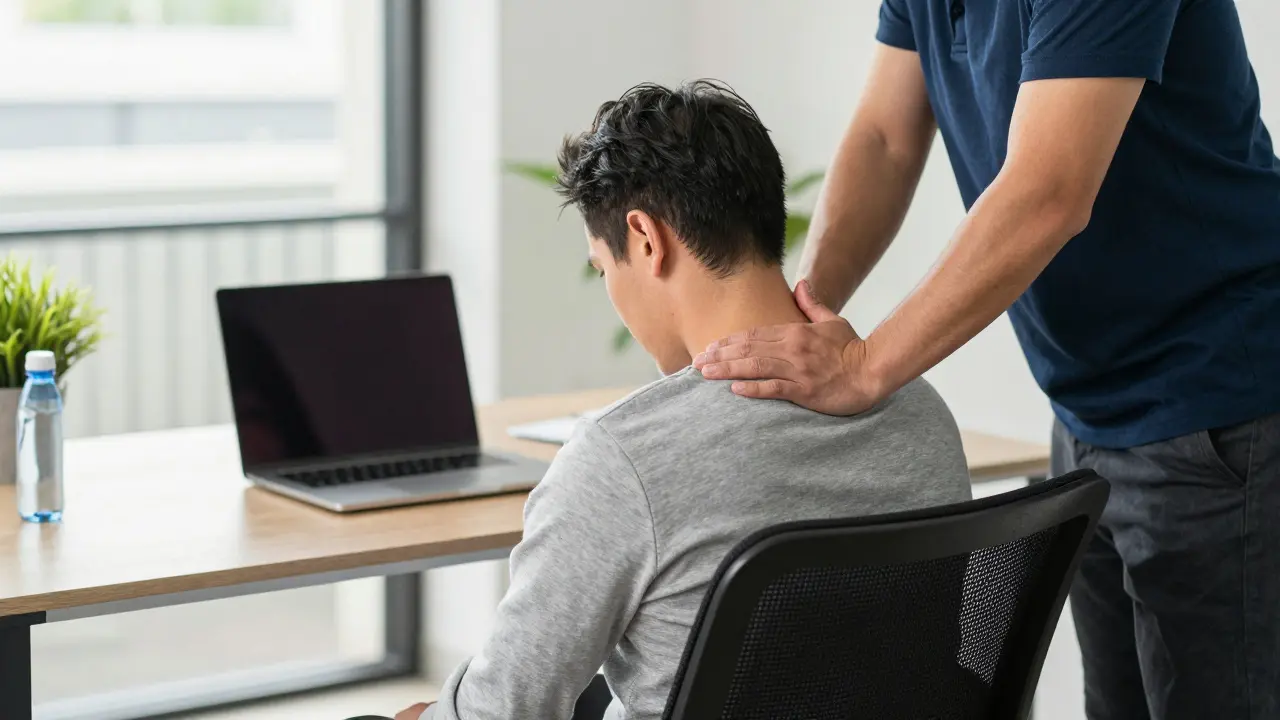
- Corporate massage: $50-$80 for 20-minute chair sessions at your office
Many places offer packages: 5 sessions for $400. That’s a 20% discount. If you’re serious about wellness, it’s worth it.
Booking? Most therapists take online bookings through their website or platforms like Bookwhen or Acuity. No phone calls needed. You can even pick your therapist’s gender, style, and availability.
Safety Tips
Massage is safe for most people. But here’s what to watch for:
- Don’t get a massage if you have: A fever, open wounds, recent surgery, or a blood clot. Always disclose medical conditions.
- Avoid deep pressure if you’re pregnant. Look for prenatal massage specialists.
- Hydrate after. Massage releases toxins. Water helps flush them out. Skip the alcohol right after.
- Trust your gut. If a therapist makes you uncomfortable, leave. No apology needed.
Body Massage vs. Stretching: What’s Better?
| Aspect | Body Massage | Stretching |
|---|---|---|
| Time required | 30-90 minutes | 10-20 minutes |
| Who does the work | Therapist | You |
| Immediate effect | Deep relaxation, reduced pain | Mild loosening, slight energy boost |
| Long-term benefit | Reduced chronic tension, improved sleep | Flexibility, posture |
| Best for | People with tight muscles, high stress, or chronic pain | People who sit all day and want to prevent stiffness |
Here’s the truth: You don’t have to choose. Stretching keeps you mobile. Massage fixes what stretching can’t reach. Use both.
Frequently Asked Questions
Is body massage just for relaxation, or does it help with pain?
It does both-and more. While many people start for relaxation, the real power of massage is in pain management. Studies show it helps with headaches, lower back pain, fibromyalgia, and even arthritis. The pressure stimulates nerve endings that block pain signals to your brain. It’s like hitting a mute button on discomfort.
How often should I get a body massage?
It depends on your body and lifestyle. If you’re under constant stress or have chronic pain, once a week or every two weeks works wonders. For maintenance? Once a month keeps tension from building up. Think of it like brushing your teeth-you don’t wait until your gums bleed.
Can I get a massage if I’m pregnant?
Yes-but only with a certified prenatal therapist. Regular massage techniques can be risky during pregnancy. Prenatal massage uses special positioning, lighter pressure, and avoids certain areas. It’s been shown to reduce anxiety, swelling, and sciatic pain. Many Auckland therapists specialize in this. Always ask.
Do I have to undress completely?
No. You undress only to your comfort level. Most people keep underwear on. The therapist will drape you with a sheet and only uncover the area being worked on. If you’re nervous, tell them. Good therapists will adjust to make you feel safe.
Why do I feel tired after a massage?
Because your body just did a deep reset. Massage releases stored tension and toxins. Your nervous system shifts from ‘fight or flight’ to ‘rest and digest.’ That’s a huge energy shift. Drink water. Rest. Don’t schedule a big meeting right after. Let your body integrate the change.
Ready to Feel Lighter?
You don’t need to wait for a crisis to start. You don’t need to spend thousands. You just need one hour-once a month-to let someone else hold the weight for you. Body massage isn’t about pampering. It’s about survival. In a world that never lets up, it’s one of the few things that actually lets you exhale.
Book your first session this week. Your future self will thank you.



Nicole Ilano
March 19, 2026 AT 10:56OMG YES. 🙌 I got a deep tissue last week and my trapezius muscles finally stopped screaming at me. I didn’t even know I was holding that much tension until my therapist said, 'You’ve got knots the size of walnuts.' Like… how?! I’m not even a gym rat. Just a Zoom zombie. But now? I’m hooked. Booked my next one before I even left the table. 💆♀️
Susan Baker
March 20, 2026 AT 09:06From a neurophysiological standpoint, the mechanism is far more nuanced than mere 'relaxation.' The parasympathetic nervous system activation via mechanoreceptor stimulation-specifically Aβ and C-fiber modulation-triggers a cascade of vagal tone enhancement, leading to downregulation of the hypothalamic-pituitary-adrenal axis. This is empirically supported by the Touch Research Institute's cortisol studies, which show a 28.7% mean reduction (CI 95%: 24.1–33.3%) post-60min Swedish protocol. But here’s the kicker: the effect size is dose-dependent. Weekly sessions yield cumulative neuroplastic changes in somatosensory cortical mapping, which explains why Lena’s migraines dropped from 4/week to 1. It’s not luck-it’s neuroadaptation. Also, hydration post-massage isn’t just 'recommended'-it’s critical for lymphatic clearance of inflammatory cytokines like IL-6 and TNF-α released during myofascial release. Skip the water? You’re essentially inviting delayed onset muscle soreness (DOMS) and systemic inflammation. FYI.
diana c
March 21, 2026 AT 16:44What’s wild is how we’ve turned something so primal-touch-into a commodified luxury. We’ll pay $120 to have someone knead our shoulders but won’t hug our partner for 30 seconds. There’s a cultural deficit here. Massage doesn’t just release muscle tension-it releases the loneliness we’ve been storing. That’s why people cry on the table. Not because it hurts. Because it’s the first time in weeks someone’s held them without asking for anything in return. And yeah, the science is solid. But the real healing? That’s the quiet part. The part no study measures.
Shelley Ploos
March 23, 2026 AT 10:36I’ve been a massage therapist for 18 years, and I’ve seen people come in with so much pain-physical, emotional, spiritual-that they don’t even know how to name it. One man showed up after his divorce, said he hadn’t slept in four days. After his first session, he cried and whispered, 'I forgot what it felt like to be held.' We don’t talk about this enough. Massage isn’t just for athletes or CEOs. It’s for the single mom working two jobs. The student pulling all-nighters. The veteran who can’t relax in crowds. You don’t need to be 'wellness-oriented.' You just need to be human. And if you’re in Auckland? You’re lucky. The community here gets it. Go. Book. Breathe. You deserve it.
Bing Lu
March 24, 2026 AT 14:09